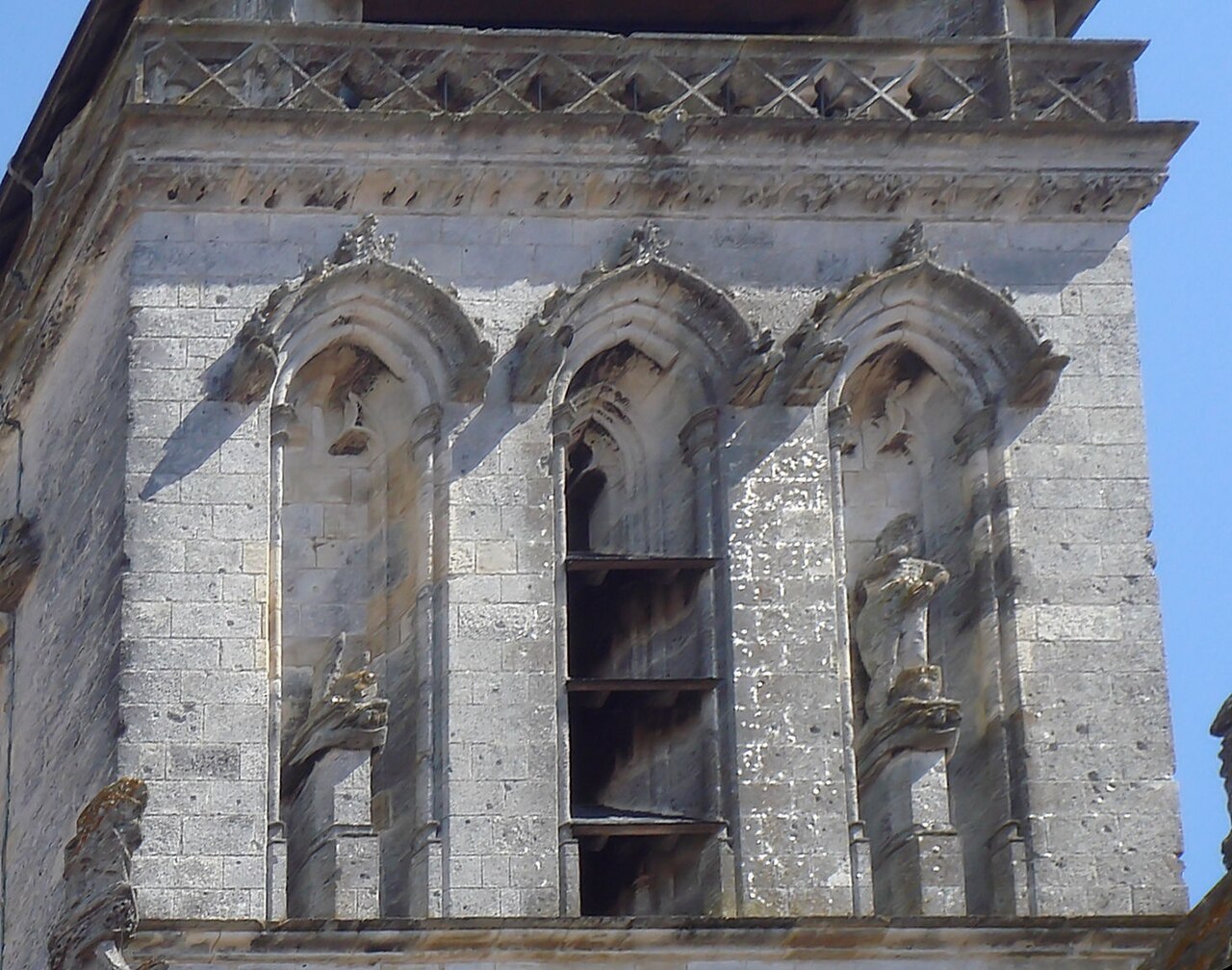
Introductory Remarks
Should we make or have images of of God, Christ, and saints in our homes and churches? Why or why not?
From the Heidelberg Catechism:
Question 96. What does God require in the second command?
Answer. That we in nowise represent God by images, nor worship him in any other way than he has commanded in his word.
Question 97. Are images then not at all to be made?
Answer. God neither can nor may be represented by any means; but as to creatures, though they may be represented, yet God forbids us to make, or have any resemblance of them, either in order to worship them, or to serve God by them.
Question 98. But may not images be tolerated in the churches, as books to the laity?
Answer. No; for we must not pretend to be wiser than God, who will have his people taught not by dumb images, but by the lively preaching of his word.
Aniconism [belief that icons are idolatrous] is not isolated in one portion of the church, but was broadly held prior to Nicaea II (8th Century). Eusebius, the Synod of Elvira, Epiphanius of Salamis, Clement of Alexandria, Tertullian, Lactantius, Origen, Irenaeus and Augustine among many, many others connect icons and images of God to idolatry.
Images are to be rooted out of the hearts of men by the preaching of the gospel. Therefore they are also to be cast out of our churches: for the doctrine revealed to us from heaven does not merely command us not to worship and adore them, but likewise not to make, or have them. -Zacharius Ursinus
If you want more scriptural evidence, please see the below excerpts from Urisnus’ Commentary on the Heidelberg Catechism.
The following is extracted from The Commentary of Zacharius Ursinus upon the Heidelberg Catechism
2nd Commandment and Exposition
Thou shalt not make unto thee any graven image, or any likeness of any thing that is in heaven above, or that is in the earth beneath, or that is in the water under the earth: Thou shalt not bow down thyself to them, nor serve them: for I the LORD thy God am a jealous God, visiting the iniquity of the fathers upon the children unto the third and fourth generation of them that hate me; And showing mercy unto thousands of them that love me, and keep my commandments. (Exodus 20:4-6)
Thou shalt not make thee any graven image, or any likeness of any thing that is in heaven above, or that is in the earth beneath, or that is in the waters beneath the earth: Thou shalt not bow down thyself unto them, nor serve them: for I the LORD thy God am a jealous God, visiting the iniquity of the fathers upon the children unto the third and fourth generation of them that hate me, And showing mercy unto thousands of them that love me and keep my commandments. (Deuteronomy 5:8-10)
Two things are comprehended in this commandment: the commandment itself, and an exhortation to obedience. The end, or design of this commandment is, that the true God, who in the first precept commanded that he alone should be worshipped, be worshipped under a proper form, or with such worship as it is right and proper that intelligent creatures should pay unto him—such as is pleasing to him, and not with such worship as that which is according to the imagination and device of man: Or, we may say that the design of this commandment is, that the worship of God as prescribed be preserved pure and uncorrupted, and not be violated by any form of superstitious worship. The true worship of God is, therefore, here enjoyed, and a rule at the same time given, that we sacredly and conscientiously keep ourselves within the bounds which God has prescribed, and that we do not add anything to that worship which has been divinely instituted, or corrupt it in any part, even the most unimportant; which the Scriptures also expressly enjoin in many other places. The true worship of God now consists in every internal or external work commanded by God, done in faith, which rests fully assured that both the person and work please God, for the mediator’s sake, and with the design that we may glorify God thereby. To worship God truly, is to worship him in the manner which he himself has prescribed in his word.
This commandment forbids, on the other hand, every form of will-worship, or such as is false, requiring that we neither regard or worship images and creatures for God, nor represent the true God by any image or figure, nor worship him at or by images, or with any other kind of worship which he himself has not prescribed. For when God condemns the principal, the grossest and most palpable form of false worship, which is that of worshipping him at or by images, it is plainly manifest that he also condemns at the same time all other forms of false worship, inasmuch as they all grow out of this. He forbids this most shocking kind of idolatry, not that he would overlook or exclude other forms of worship opposed to that which he has prescribed; but because this is the root, the foundation of all the rest. Hence all kinds of worship not instituted by God, but by men, as well as those which contain the same reason why they should be prohibited, are forbidden in this precept of the Decalogue.
We may here remark, that the words of the second commandment forbid two things. They first forbid us to make and to have images, saying: Thou shalt not make unto thyself any graven image, nor the likeness of anything, etc. Then they forbid us to worship images and likenesses with divine honor, saying: Thou shalt not bow down thyself to them nor serve them. In speaking of the first thing which is here forbidden, we must enquire, Are all images and likenesses prohibited? and if not all, what, and in how far are they lawful, or unlawful? In speaking of the second thing forbidden by this commandment, we must enquire, Is all adoration or bowing to images forbidden, and can it by any means be defended?
Concerning Images And Pictures In Christian Churches
The things to be considered in connection with this subject, may be comprehended under the following heads:
I. Whether, and how far images are forbidden in Churches by this commandment:
II. Whether the worship of images can be defended:
III. Why images are to be removed out of Christian Churches:
IV. How, and by whom they are to be removed.
I. Whether, and how far images are forbidden in Churches by this commandment
The Hebrew words zelem and themunah usually signify an image; pesel signifies a graven image, whilst Hhezebh signifies an idol, or statue, from Hhazabh, which signifies to trouble, to lament, to grieve, because an idol disturbs and agitates the conscience. The Greeks express the word image by εικων; and by ειδωλον, they express any likeness, and especially that which men make unto themselves for the purpose of representing and worshipping God, be it a solid statue, or a mere naked image or picture. Among the Latins imago signified any likeness represented or painted: statua signified a solid image either graven or cast: simulacrum signified the same thing; so also idolum, borrowed from the Greek. The Papists, that they may defend with greater plausibility their worshipping of images, make a distinction between idolum and simulacrum. The latter they contend signifies the image of something really existing, whilst the former is the image of something imaginary; from which they conclude that idols, and their worship are prohibited, but not images. That this distinction, however, is vain and of no force is apparent,
- From the etymolgy of both words, according to which it appears that they do not differ any more than panis and αζτις, both of which signify bread. The only difference is that the one is a Latin, the other a Greek word. For as ειδωλον, which means a form, is derived from the Latin formando, which means to form or fashion, so simulacrum is derived from simulando which means to counterfeit, according to the testimony of Lactantius.
- The interpreters of the Scriptures use both words indiscriminately; for the Septuagint everywhere translates the Hebrew Hhezebh by ειδωλον, whilst the Latin interpreters translate it by simulacrum.
- Both words are used indiscriminately by good and standard writers. Cicero, in his first book, de Finibus, uses these words in the same sense. Euripides calls the shades or ghosts of Palydorus and Achilles ειδωλον, which means an idol. An idol is, therefore, not only an image of something imaginary, but also of something real. So simulacrum is also used for the image of something imaginary. Pliny, for instance, calls the idol of Ceres an imaginary god, simulacrum: and Vitruvius calls the image or idol of Diana, simulacrum. Hence the distinction which is made between these words is ungrounded. So much concerning the words which express what we call an image.
We must now proceed to the question itself, in regard to which we may remark, that this commandment does not absolutely forbid us to make, or to have images, likenesses and statues, because the art of painting, sculpture, casting and embroidery, is reckoned among the gifts of God which are good and profitable to human life, and God himself had certain images placed in the tabernacle; (Ex. 31:3; 35:30) and Solomon had upon his throne images of lions, and had figures of palm-trees and cherubims carved upon the walls of the temple by the command of God. (1 Kings 6:23, 29; 10:19, 20.) The reason of this is plain and easy to be perceived, inasmuch as writing and painting are profitable for reviving a recollection of something done, for ornament and for the enjoyment of life. The law does not, therefore, forbid the use of images, but their abuse, which takes place when images and pictures are made either for the purpose of repre senting or worshiping God, or creatures. Hence all images and likenesses are not simply and wholly forbidden, but only such as are unlawful, among which we may include, first, all images or likenesses of God, which are made for the purpose of representing, or worshipping God. That these are all positively forbidden in this commandment, may be argued,
- From the design of this commandment, which is the preservation of the worship of God in its purity.
- From the nature of God. God is incorporeal and infinite; it is impossible, therefore, that he should be expressed, or represented by an image which is corporeal and finite, without detracting from his divine majesty, according as it is said: Who hath measured the waters in the hollow of his hand; and meted out heaven with a span, etc. To whom then will ye liken God? or what likeness will ye compare unto him? To whom will ye liken me, or shall I be equal? saith the Holy One. Who changed the glory of the incorruptible God into an image made like to corruptible man, and to birds, and four-footed beasts, and creeping things. (Is. 40:12, 18, 25. Rom. 1:23).
- From the command of God. “Take ye, therefore, good heed unto yourselves, (for ye saw no manner of similitude on the day that the Lord spake unto you in Horeb out of the midst of the fire,) lest ye corrupt yourselves, and make you a graven image, the similitude of any figure, the likeness of male or female; the likeness of any beast that is,” etc. (Deut. 4:15, 16.)
- From the cause of this prohibition, which is that these images do not only profit nothing, but also injure men greatly, being the occasion and cause of idolatry and punishment. In short, God ought not to be represented by any graven image, because he does not will it, nor can it be done, nor would it profit any thing if it were done.
There is a memorable saying which Plutarch records of Numa in his life, in these words: “Numa forbade the Romans to have images of any of the gods, which had the form of man or beast. Nor was there in former times among this people any image of God either painted or graven; and for the first 170 years, although they had temples, and sacred places which they had built, yet there was no image or picture of God formed; and that because it was regarded as a great crime to represent heavenly things by earthly, inasmuch as a knowledge of God can only be attained by the mind.” Damascenus writes, “That to attempt to represent God is a foolish and wicked affair,” although he elsewhere evidently defends the worship of images. He is, therefore, condemned with other defenders of images in the seventh council held by Constantine and his son, Leo, which council decreed, among other things, that no images of Christ should be painted or graven, not even as it respects his human nature; because nothing but his humanity could be expressed by art; and those who make such images, seem to establish again the error of Nestorius, or Eutyches.
Secondly, those images and likenesses of creatures are unlawful which are set up in churches, at the corners of the streets, and elsewhere, for the worship of God, or for a perilous ornament. “Thou shalt not bow down thyself to them,” etc. “Keep yourselves from idols.” (1 John 5:21).
Objection 1. Thou shalt make no graven image. Therefore God forbids the art of sculpturing.
Answer. He forbids the abuse, which occurs when we would make a representation of God, and bind the worship of God to images.
Objection 2. The Holy Scriptures attribute to God the different members of the human body, and thus declare his nature and properties. Therefore it is also lawful to represent God by images.
Answer. There is a difference between these figurative expressions used in reference to God, and images; because in the former case there is always something connected with those expressions which guards us against being led astray into idolatry, nor is the worship of God ordinarily tied to those figurative expressions. But it is different in regard to images, for here there is no such safeguard, and it is easy for men to give adoration and worship to them. God himself, therefore, used those metaphors of himself figuratively, that he might help our infirmity, and permits us, in speaking of him, to use the same forms of expression; but he has never represented himself by images and pictures; neither does he desire us to use them for the purpose of representing him, but has, on the other hand, solemnly forbidden them.
Objection 3. God formerly manifested himself in bodily forms. Therefore it is lawful for us to represent him by similar signs or forms.
Answer. God did indeed do this for certain considerations; but he has forbidden us to do the same thing. Nor is it difficult to perceive the reason of this prohibition. God may manifest himself in any way in which he may please to do so; but it is not lawful for any creature to represent God by any sign which he himself has not commanded. The examples are therefore not the same. Furthermore, those forms in which God anciently manifested himself had the promise of his presence in them, and that he would hear those to whom he revealed himself in this way. But this cannot be said of those images which are representations of God, without palpable idolatry. The saints of old, therefore, acted properly in adoring God at, or in those forms, as being present in a special manner in them; but to act thus in reference to images is wicked and idolatrous, seeing that it is done out of presumption and levity, without any divine command or promise. Lastly, those visible appearances in and through which God was pleased to reveal himself to his people of old, continued as long as God desired to make use of them, and as long as they did contribute to idolatry. But the images and pictures which men make in imitation of these ancient manifestations of God, have not been devised for the purpose of revealing God, nor are they representations of those ancient manifestations of God, and are therefore the object and occasion of idolatry.
II. Is all Worshipping of Images Forbidden, or can this Worship be Defended?
We return an answer to this question from the second part of this commandment, which positively forbids us to give divine worship or honor to images and pictures, including not only that which is given to creatures, but that also which is given to the true God: Thou shalt not bow down thyself to them, nor serve them.
Objection 1. But we do not worship the images, say these advocates of images among the Papists, but God, of whom they are signs, according to what the council of Nice teaches: “That which the image exhibits is God; the image itself, however, is not God. Look thou upon the image; but worship in thy mind what thou seest therein;’ and according to the following sentiment, expressed by Thomas: “When thou passest an image of Christ, alway pay homage unto it; yet worship not the image, but that which it shadows forth.”
Answer
- We deny that images are signs of God; for the reason that God cannot be truly represented by them, inasmuch as he is immense; and even though he could be represented in this way, yet he ought not, because he has forbidden us to make images representing him, and because it is in the power of no creature to institute signs by which he may be represented. This power belongs to God alone.
- The cause which is here assigned is of no force; for not only is the worship of images the cause and form of idolatry, but even the worship of God himself, which is paid to images or creatures, is in contradiction to what he in his word requires. This is taught with sufficient clearness in the case of Aaron and Jeroboam, who had images of calves made. For although they said, in both instances, These be thy Gods, O Israel, which brought thee up out of the land of Egypt, etc.; To-morrow is a feast of the Lord; yet God abhorred and severely punished those who were engaged therein, as being guilty of horrible idolatry. (Ex. 32:4, 5. 1 Kings 12:28). Hence, although those who worship images pretend to honor God in this way, yet it is not God, but the devil, that is worshipped, according to what Paul says of the Gentiles: “The things which the Gentiles sacrifice [to idols], they sacrifice to devils, and not to God;” notwithstanding they also pretend to honor the name of God by these things. (1 Cor. 10:20).
Objection 2. The honor of the sign is the honor of the thing signified. Images are signs of God. Therefore the honor which is paid to images is also paid to God.
Answer. Here again the minor proposition must be denied, or else the major distinguished thus: The honor of the sign is the honor of the thing signified only in case the sign is a true sign, and has been instituted by him who has the power to do so; and in case that honor be given to the sign, which the proper author commanded to be given; for it is not the will of him that honors, but of him that is honored, that is the rule according to which we are to pay our respect. Wherefore, inasmuch as God has forbidden both that images should be made of him, and that he should be worshipped at images, which are made for him, or for creatures, it is manifest that he is not honored, but disgraced whenever it is attempted to worship him, against his will, at and under images.
But some one may perhaps say: The contempt which is cast upon the sign, even though it may not have been instituted at the command of God, falls back upon God himself. Therefore the honor, also, that is paid to the sign, is given to God. Ans. We deny the consequence which is here deduced; because contrary results are attributed to things that arecontrary only when the opposition of the things which are affirmed depends upon that according to which the subjects are opposed, but not when it depends upon something else, as here, where contempt of God follows that of the sign, be it divinely instituted or not, because an intention to depart from the commandment of God is sufficient to cast dishonor and contempt upon him. But the honor of God does not follow the honor of the sign, unless both the sign and the honor thereof be ordained of God, seeing that the intention to honor God is not of itself sufficient to constitute acceptable worship, unless the manner also be such as God himself has prescribed.
Objection 3. But if it is lawful to honor the images and monuments of renowned and well deserving men, it is much more lawful to honor the images of blessed angels and saints.
Answer. It is lawful to honor the monuments of great and distinguished men with such respect as that which constitutes a grateful and becoming remembrance of them and their deeds, which they have left behind them as their own monuments, in case it be directed to that use which they themselves would desire it; and, on the other hand, it would be lawful to demolish them, if necessity demanded such a thing, provided it were done without any wish or desire to cast any disrespect upon those whose monuments they are. But it is by no means lawful to attribute divine worship to them, such as that which the Papists pay to their idols, whether it be under the name of worship or service. Again, the monuments of great and good men should be such as do not lead to idolatry; for if this should be the case, we must not honor them, but utterly abolish them, after the example of Hezekiah, who broke in pieces the brazen serpent that Moses had made (2 Kings 18:4) when it was turned into idolatry, although it had been formerly preserved as a monument of the goodness of God, which he had showed to the children of Israel in the wilderness, when they were bitten of fiery serpents.
III. Why Images and Pictures Are Not to Be Tolerated in Churches
The reasons on account of which images and statues are not to be tolerated in our churches, but removed, are principally these:
- Because it is contrary to the express command of God, that images should be made and set up in churches. “Thou shalt not make unto thy self any graven image, nor the likeness of any thing that is,” etc. Seeing, now, that God will not allow images to be made, by which he is to be represented, or at which he is to be worshipped, he, in like manner, will not permit those which are made by others, to be tolerated, or retained.
- Because they have been the occasion, and means of horrible idolatry in the Papal Church.
- Because God expressly commanded that idols should be removed, as well as every corruption of the true doctrine and worship of God, that he may in this way declare his displeasure against idolatry. (Ex. 23:24; 34:13. Num. 33:52).
- For our confession of the sincere worship, and our hatred to idolatry, which confession consists not only in words, but also in outward actions, appearance and signs. “Ye shall destroy their altars, and break down their images, and cut down their groves, and burn their graven images with fire. For thou art an holy people to the Lord thy God.” “Little children, keep yourselves from idols,” viz, in heart, in profession and signs. (Deut. 7:5. 1 John 5:21).
- Because the Scriptures speak in commendation of certain pious kings, such as Asa, Jehu, Hezekiah, Josiah, etc., for having destroyed the images and idols which had been set up. (1 Kings 15:13. 2 Kings 10:30; 18:4; 23:24).
- For the purpose of avoiding offence and preventing superstition and idolatry, so that, by not tolerating ancient images or substituting new ones, the church and ignorant souls may be preserved from the danger and sin which formerly fell upon our fore-fathers, for countenancing idols.
- That the enemies of the church may not by this spectacle, which looks so very much like idolatry, be driven farther from a profession of the truth and be led to cast reproach upon it. God speaks of this in the following language: “Wherefore I also said, I will not drive them out from before you; but they shall be as thorns in your side, and their gods shall be a snare unto you,” (Judges 2:3). So the Jews, when they see statues and images in the churches of those who profess Christianity, are so much offended at the sight that they are led to hate more inveterately the Christian religion.
- Lastly, images have never resulted in any good to those who have had them. The people of God, the Jews, were for the most part seduced by them, as sacred history abundantly testifies, especially in the books of the Judges, Kings, and Prophets. We are, therefore, prone by nature to the sin of idolatry, which is followed by those dreadful punishments which God in many instances threatened through Moses. “I will destroy your high places, and cut down your images, and cast your carcasses upon the carcasses of your idols, and my soul shall abhor you,” (Lev. 26:30). The angel of the Lord, in reproving the Israelites, because they had made a league with the Canaanites, said: “Wherefore I will not drive them out from before you; but they shall be as thorns in your side, and their gods shall be a snare unto you,” (Judges 2:3). For these reasons, therefore, images and statues are not to be tolerated in the churches of those who profess Christianity, but they must be removed, even though they be not adored.
IV. How and By Whom are Images to be Abolished?
Two things must be carefully observed in removing images—
- That the doctrine concerning the true worship of God be preached before the idols and images are removed. It was in this way that Josiah proceeded. He first commanded the law of God to be read to all the people, and then proceeded to remove and destroy the images which had been set up. A change in external matters, without showing and explaining the causes, on account of which it is effected, will either lead to hypocrisy, or else it will excite and alienate the minds of the people from those who effect this change. Let the true doctrine of God’s word, therefore, be preached, and the idols will fall to the ground of their own accord.
- Images and their altars, and all that pertains to idolatry, must be removed, not by private individuals, but by public authority; whether of the magistrates, or of the people, if they have the sovereign power, and in those places in which the church holds the chief sway. It was in this way that God commanded the children of Israel to proceed in reference to this matter; and so we read that they and their pious kings acted. Paul, on the other hand, being only a private individual, seeing and disapproving of the idols of the Athenians, Ephesians and others, did not himself break them down, nor did he exhort Christians to do so, but to flee from and avoid them. The reason why the Apostle acted thus arose, no doubt, from the fact that he himself was no magistrate, and that the church had not in those places the chief sway. He, therefore, gives this rule: “What have I to do to judge them also that are without? Do not ye judge them that are within? But them that are without, God judgeth,” (1 Cor. 5:12, 13).
Objections Against the Removal of Images Refuted
Objection 1. But books are retained in the churches and are useful to the laity. Images and statues are books to the laity. Therefore they may be retained in the churches with profit.
Answer. Such books only are useful to laymen, which God has delivered to them. But God has prohibited images. We also deny the minor proposition; for the prophets teach very differently.” What profiteth the graven image that the maker thereof hath graven it; the molten image and a teacher of lies?” “The idols have spoken vanity.” (Heb. 2:18. Zech. 10:2). We may deduce this argument from what has now been said: We ought not to speak vain things of God, nor to lie of him, cither in word or deed. But wood or graven images are lies of God, seeing that they cannot represent God; yea, by as much as they depart from God, and at the same time lead us from him, by so much is their figure unlike God, and as a matter of consequence they bring it to pass, that we lie concerning God. If we would not, therefore, lie, it is necessary that we should neither make, nor have graven images by which to represent God: for as Jeremiah saith, “The stock is a doctrine of vanities.” (Jer. 10:8). In this sense, now, we grant that images and pictures are books for the laity; viz., that they partly teach and signify what is not true of God, and partly because by reverencing the thing signified, and the place, when they stand in the church and elsewhere, they easily lead some to superstition and teach the people idolatry, as experience abundantly testitifies. We also deny the consequence of the above syllogism, because, although images might teach the unlearned, yet it does not follow from this, that they should be retained in the churches as books that are useful; for God will have his people taught, not by dumb images, but by the lively preaching of his word. Neither does faith come from the sight of images, but by the hearing of the word of God.
Objection 2. The command which respects the abolishing of images, is ceremonial. Therefore it does not pertain to Christians, but only to Jews.
Answer. We deny the antecedent: for it is no ceremonial requirement to abolish those things which are the instruments, occasions and signs of idolatry. Nor are the causes on account of which this commandment was formerly given altered, so that the glory of God should not be vindicated against idolaters and enemies of the church, and that he should be tempted by our giving to those who are weak and ignorant occasions and inducements to superstition and idolatry to which they are naturally inclined. This commandment, therefore, which forbids our not having images, is moral and of perpetual force.
Objection 3. Solomon, by the command of God, placed in the temple images of cherubim, lions, oxen, palm-trees, etc. Therefore images may also be tolerated in the church.
Answer. The cases are not similar.
- The figures of the various things and living creatures, such as oxen, lions, palm-trees, cherubims and such like, which Solomon caused to be placed in the temple, were ordered by the special command of God. The case, however, is different with images which are set up in the church at the present day.
- The images which Solomon had placed in the temple were of such a character that they could not easily lead to superstitious practices; but images of God and the saints may not only lead to superstition, but alas! they have hitherto been the cause of most shameful idolatry in the Papal church.
- The reason on account of which God commanded Solomon to have the images here alluded to in the temple, was that they might be types of spiritual things; but this cause is now done away with in Christ. Hence images which are now set up in the churches cannot be defended by this example; and it becomes us to obey the general commandment which forbids us to have, and to set up in such places images which are offensive either to the members, or the enemies of the church.
Objection 4. But pictures and images are not worshipped in the Reformed churches. Therefore they may be tolerated.
Answer.
- God does not only forbid images to be worshipped; but also forbids them from being made, and to have them when made. Thou shalt not make unto thyself any graven image, etc.
- They are always an occasion of superstition and idolatry to the ignorant, as the experience of the past and present abundantly testifies.
- They give to the Jews, Turks, Pagans, and other enemies of the church occasion of offence and matter for blaspheming the gospel.
Objection 5. Images and statues are ornaments in our churches. Therefore they may be tolerated.
Answer.
- The best and true ornament of our churches is the pure and unadulterated doctrine of the gospel, the lawful use of the sacraments, true prayer and worship in accordance with the word of God.
- Churches have been built, that lively images of God may be seen in them, and not that they should be made the abode of idols and dumb images.
- The ornament of the church ought not to be contrary to the command of God.
- It must neither be ensnaring to the members, nor offensive to the enemies of the church.
Objection 5b. But some one may perhaps reply; the thing itself and the lawful use of it, must not be taken away merely because it may be abused. Images are ensnaring and offensive merely by accident. Therefore they are not to be removed from the churches.
Answer, The first proposition is true, provided the thing be good in its own nature, and the use of it be lawful, and the accident inseparably connected with it, be not condemned of God. If this be not the case, the thing and the use of it, are both unlawful, and therefore to be avoided. But the images of God and the saints, which are placed in our churches for the sake of religion, are neither good, nor is the use of them lawful, but expressly forbidden by the command of God. And not only so, but the accident which is superstition, or idolatry, invariably accompanies the use of these images (notwithstanding the vain pretenses of those who are more fully established, and of their knowledge,) and is equally condemned by the commandment of God.
Objection 6. All that is necessary is, that men should not, by the preaching of the gospel, have images in their hearts. Therefore it is not necessary that they should be removed from our churches.
Answer. We deny the antecedent; because God not only forbids us to have idols in our hearts; but also before our eyes, seeing that he does not merely desire us to be no idolaters, but to avoid even the appearance of idolatry, according as it is said, “Abstain from all appearance of evil.” (1 Thes. 5:22). Again, such is the depravity of the human heart and its propensity to idolatry, that idols well-polished and adorned, being left before the eyes of men, very soon and readily become seated in the heart, and lead to false notions of religion, whatever may be said by some to the contrary. We may, therefore invert the argument, and reason thus: Images are to be rooted out of the hearts of men by the preaching of the gospel. Therefore they are also to be cast out of our churches: for the doctrine revealed to us from heaven does not merely command us not to worship and adore them, but likewise not to make, or have them.
So much concerning the commandment itself.
The Exhortation Which is Added to the Second Commandment
The exhortation added to this commandment, for I the Lord thy God am a jealous God, visiting the iniquity of the fathers upon the children unto the third and fourth generations of them that hate me, and shewing mercy unto thousands of them that love me and keep my commandments, contains five attributes of God which ought to constrain us to render obedience to him.
- He calls himself our God, that is, our creator and preserver—the giver of all the good things which we have enjoyed. In this way he would teachus what base ingratitude it is not to render obedience to him, our benefactor, and what an aggravated thing it is to fall from him into idolatry.
- He calls himself a mighty God—one that is able to punish the wicked, as well as to reward the obedient. He is, therefore, to be feared and worshipped above all others.
- A jealous God, that is, a most rigid defender, and vindicator of his honor, terribly displeased with those who depart from him, or infringe upon his honor, or worship. Inasmuch now as jealousy, or indignation on account of an injury, or baseness, proceeds from love on the part of him, who is injured, God here signifies how ardently he loves those that are his.
- A God that visits the iniquity of the fathers upon the children unto the third and fourth generations of them that hate him. In these words God reveals the greatness of his wrath and punishment, in that he threatens unto the children and the grand children, and the great grand-children’s children of his enemies, to punish in them the sins of their fathers, in case they also imitate and approve of the sins of their fathers by committing them over again.
Objection. But it is said, that the son shall not bear the iniquity of the father (Ez. 18).
Answer. It is, however, also said in the 14th verse of the same chapter, by way of reconciliation, that if a wicked man beget a son that seeth all his father’s sins which he hath done, and doeth not such like; he shall surely live. Hence God threatens that he will punish the sins of the fathers in their children, meaning those who persevere in the sins of their fathers, whom it is just and proper should be made partakers of their punishment. Should any one reply, that in this way, posterity do not suffer for the sins of their fathers, but only for their own, we answer nay; for there may be many impelling, moving causes of the same effect, and the cause of one punishment may be many sins, and these of different individuals besides those who bear the punishment. And if some one should object still further and say, that the sins of the fathers are not punished in their children, because the punishment which the children suffer, does not reach to the sins of their fathers, we reply, the children are a part of their fathers, so that they feel in themselves, as it were in some part of themselves, what their children suffer. 5. He declares that he is a God, who sheweth mercy unto thousands of them that love him and keep his commandments. By this promise, God would magnify his mercy, that so he might the more strongly invite us to obedience by a consideration of the greatness of his mercy and by the desire of our own salvation, and that of our children. And whereas he threatened punishment only to the fourth generation, he here extends his mercy to thousands, that so he might declare that he is more inclined to shew mercy than wrath, and in this way constrain us to love him.
Objection 1. But the children of many pious persons perish.
Answer. The promise is conditional: for God declares in the Ezekiel 18, that he will be merciful to the children of the godly if they persevere in the obedience of their fathers, and that he will punish them if they turn away from it. If any one should ask, Why does God not convert all the children of the godly, since they cannot follow the holy example of their fathers without his mercy, we reply, that he will not bind or restrict his mercy to any single individuals included among the posterity of the righteous; but will reserve his election free to himself, that as he converts and saves some from the posterity of the wicked, so he will leave some of the posterity of the righteous in their natural corruption and misery which all deserve by nature, and this he does, that he may show that his own mercy is free, as well in choosing the posterity of the godly as the posterity of the wicked. Again: God does not convert all the posterity of the godly, because he has not bound himself to bestow mercy on all, or the same benefits on all the posterity of the godly. He, therefore, makes good this promise when he bestows temporal blessings upon the wicked descendants of the godly. Lastly: God does not convert all the children of the godly, because he promises this happiness to those who diligently keep his commandments, or to those who are truly godly. But inasmuch as the love of God and the obedience which is in the most holy, are imperfect in this life, the reward which is promised to them is also imperfect, and joined with the cross and chastisements, among which the wickedness and unhappiness of their posterity is not the least, as may be seen in David, Solomon and Josiah.
Objection 2. Those who keep the commandments of God, obtain mercy. Therefore, we merit something from God by our obedience.
Answer. The contrary follows. God says, I will shew mercy unto them. Therefore, it is not according to merit; for that which is done out of mercy is not of merit; and contrariwise. The argument is, therefore, false, in assigning that for a cause, which is none.
Objection 3. This promise and threatening belongs to the whole Decalogue; why is it, therefore, annexed to this commandment?
Answer. It is joined to the second commandment, not that it belongs to it alone, but that we may know that the first and second commandments are the foundation of all the others; and that God might declare that he is especially displeased with those who corrupt his worship, and that he will punish this kind of sin both in them and their posterity, and, on the other hand, that he will also bless the posterity of them, who keep his religion pure and undefiled.

Zacharius Ursinus
A reforming theologian, Ursinus was born Breslau in 1534 and studied at Wittenberg from 1550 to 1557. He then moved to Geneva for further study and from there took a teaching post in his native city of Breslau. His doctrine of the Lord’s Supper led to his dismissal from Breslau in 1559. But in 1561, thanks to his mentor Peter Martyr Vermigli, received an invitation from Elector Frederick III to come to Heidelberg as director of the theological academy.
It was at Heidelberg that with Caspar Olevianus he made his )most notable contribution to church life by drafting the Heidelberg Catechism (1563). He also undertook the defense of the Catechism against Lutheran objections.
From 1562 he added the professorship of dogmatics to his administrative duties and also prepared a new liturgy. Zanchius relieved him the burden of teaching in 1568, but Ursinus became involved in a difficult struggle to bring in a new discipline on the Genevan model (1570). The death of the electtor in 1577 opened the way for Lutheran influences. Ursinus, with Zanchius, move to Neustadt in 1578 and spent his last year there. In addition to his work on the Catechism, he also wrote an important treatise on the Lutheran Book of Concord and did much to promote Peter Martyr’s Loci.

Leave a Reply